Dynamic Wearability Evaluation of Outdoor Jackets Integrating 3D Virtual Fitting and User Feedback

©2026 The Korean Fashion and Textile Research Journal(KFTRJ). This is an open access journal. Articles are distributed under the terms of the Creative 52 Commons Attribution Non-Commercial License (http://creativecommons.org/licenses/by-nc/4.0), which permits unrestricted use, distribution, and reproduction in any medium, provided the original work is properly cited.
Abstract
Optimizing the dynamic wearability of functional outdoor apparel is crucial for ensuring wearer comfort and mobility during physical activities. To address this need, we evaluated the dynamic wearability of outdoor jackets using a comprehensive evaluation method that integrated both objective and subjective assessments. Through 3D virtual fitting with CLO 3D, a jacket pattern provided by an outdoor apparel company was modified based on identified wearability issues. Jackets A and B (before and after pattern modification, respectively) were prototyped and evaluated through dynamic movement assessments under identical experimental conditions to ensure consistency. A subjective survey and interviews were then conducted with 15 participants in their 20s. These were designed to capture user perceptions of wearability during dynamic activities, covering multiple dimensions such as size, fit, comfort, ease of use, practicality, and satisfaction. We found a significant reduction in overall virtual stress and strain for Jacket B compared with Jacket A (p < 0.050). The results indicated higher satisfaction with Jacket B across all categories, including size, fit, comfort, ease of use, practicality, and satisfaction (p < 0.050). These improvements were consistently observed across all subjective evaluation categories. These findings highlight the benefits of combining virtual fitting–based pattern modification with user feedback to optimize functional apparel for dynamic activities and provide a systematic framework for wearability assessment that can enhance wearer satisfaction.
Keywords:
CLO 3D, functional clothing, outdoor garment, virtual fitting, wearability assessment1. Introduction
With the increasing interest in health, the significance of physical activity has been further emphasized. The Centers for Disease Control and Prevention (2025) highlight the positive effects of physical activity on both physical and mental health, thereby promoting participation in exercise across diverse fields. Notably, outdoor sports activities such as hiking, running, camping, and trekking have gained popularity, leading to a continuous increase in the number of participants. According to a report by the Outdoor Industry Association (2023), the rising participation rate in outdoor activities is closely associated with the growing awareness of health and well-being. In response to these changes, there has been active development of apparel suitable for outdoor sports activities, accompanied by a surge in consumer demand. In particular, dynamic wearability has emerged as a crucial factor, necessitating clothing that ensures unrestricted body movement while maximizing the wearer's mobility (Koç et al., 2025; Teyeme et al., 2021). To meet these demands, functional clothing designed to provide specific features, rather than regular clothing, is essential.
Functional clothing refers to garments designed to provide predetermined functions beyond conventional apparel, such as body protection, convenience, and enhanced utility, and therefore involves a more complex development process (Boldt & Carvalho, 2018; Gupta, 2011). With the growing popularity of outdoor activities, interest in outdoor apparel has increased, which plays a crucial role in maximizing wearer safety and mobility across various environments (Kim & Baytar, 2024). Thus, outdoor apparel must ensure optimal wear comfort under diverse environmental conditions while also considering dynamic wearability, which allows for unrestricted body movement in addition to practicality. Wearability is defined as the interaction between the human body and a wearable object, referring to the degree to which a product can be worn and used on the body without restricting movement (Gemperle et al., 1998). In the context of apparel, wearability serves as an indicator of the physical and psychological comfort provided by a garment worn on the body. Since positive wearability significantly contributes to wearer satisfaction, it is a critical factor in apparel design and development (Yang & Baytar, 2024). For this reason, alongside the growth of the outdoor apparel industry, the demand for reliable and systematic wearability evaluation methods has become increasingly emphasized.
Wearability is a multidimensional concept encompassing physiological, psychological, sensory, and mobility aspects (Gemperle et al., 1998). To assess wearability, researchers rely on two main approaches: objective measurements and subjective evaluations (Rahman, 2011). Objective methods provide quantifiable, repeatable results, primarily assessing garments' physical comfort through experimental measurements. Previous studies have proposed various objective evaluation methods, such as assessing donning and doffing performance based on independence, time, and effort (Wu et al., 2021), or evaluating outdoor jacket comfort under different environmental conditions through water and air permeability experiments (Koç et al., 2025). However, objective evaluations alone may not fully capture wearers' perceptions and experiences (Teyeme et al., 2021). Arezes et al. (2013) found discrepancies between subjective thermal comfort and moisture retention in trekking boots, highlighting the limitations of assessments based on physical measurements. Özkan et al. (2023) measured dynamic and psychological comfort after verifying thermophysiological functionality, emphasizing the need to consider wearers' sensory perceptions. In this context, subjective assessments complement objective data by incorporating users' intuitive experiences. Modern outdoor apparel must ensure mobility and comfort during physical activities (Koç et al., 2025). Notably, dynamic wearability—the ability to support unrestricted movement—is a key factor in outdoor apparel (Gemperle et al., 1998). Thus, a comprehensive evaluation method with an emphasis on dynamic wearability is essential for assessing functional apparel.
Recent research has explored 3D virtual fitting technology for wearability evaluation, streamlining apparel development by improving efficiency in time and cost (Porterfield & Lamar, 2017). By visualizing garments, it enables immediate assessment of fit, making functional apparel development both cost-effective and ergonomically validated (Boldt & Carvalho, 2018; Won & Lee, 2021). Notably, a 3D virtual map offers insights into strain, stress distribution, and wearer comfort (Porterfield & Lamar, 2017). Several studies have demonstrated the feasibility of this approach through color-coded visualization and virtual avatar-based analysis under dynamic movements, supporting its application for quantitative wearability assessment (Černiavskaja et al., 2025; Dabolina et al., 2018; Yang & Baytar, 2024). These advancements go beyond static body measurements, improving garment design for dynamic comfort. Despite its advantages, virtual fitting technology struggles to replicate human skin flexibility and muscle movement (Yang & Baytar, 2024), posing challenges for functional apparel, which must ensure mobility and comfort across various activities. Additionally, static postures alone are insufficient for evaluating wearability, and many studies overlook subjective wearer experiences. Thus, a hybrid evaluation method integrating objective and subjective assessments is increasingly emphasized for more reliable wearability assessments.
Therefore, we aimed to evaluate the dynamic wearability of outdoor jackets by combining virtual try-on using 3D virtual fitting maps with user feedback from movement assessments. To this end, we first conducted a virtual fitting simulation using a jacket pattern provided by an outdoor apparel company, and modified the pattern based on the virtual fitting results. We then analyzed relative differences in the stress and strain maps to compare the two virtual fitting outcomes. Subsequently, we produced the two jackets and conducted a movement evaluation in a real-world environment, followed by a subjective wearability assessment through a survey and a follow-up interview.
2. Methods
2.1. Participants
We recruited 15 participants for the wearability evaluation. The participants were healthy men in their 20s who regularly wear size 100 tops (23.80 ± 1.72 years; height = 175.27 ± 3.00 cm, weight = 69.13 ± 5.92 kg, body mass index = 22.50 kg/m²). They voluntarily expressed their willingness to participate in the study and were selected as participants. Because this study involves wearability assessment through various physical movements, a survey, and interviews, individuals with musculoskeletal disorders or cognitive impairments were excluded from participation. In addition, the jacket pattern for men used in this study was provided by the outdoor apparel company, K2 Korea Group. This jacket is designed as a windbreaker with a front closure and is a prototype version. Before participating in the study, all participants provided written informed consent, which was approved by the Institutional Review Board (IRB) of the participating University (IRB No. 2024-08-021).
2.2. Procedures
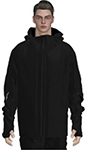
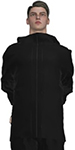
We evaluated the wearability of an outdoor jacket using a four-step procedure. First, a 3D virtual fitting was conducted on the initial pattern (1st pattern) provided by an outdoor apparel company. Based on the fitting results, the pattern was modified (2nd pattern) and reanalyzed through a second virtual fitting. Differences in stress and strain values between the two patterns were examined in the 3D virtual environment to assess wearability improvements. Next, to evaluate wearability with actual users, two jacket prototypes were developed using the 1st and 2nd patterns (Jackets A and B). Participants wore both jackets and performed a movement assessment. Finally, a survey and interviews were conducted to gather subjective wearability feedback. This structured approach ensured a comprehensive evaluation, integrating virtual fitting results, movement analysis, and user perceptions of wearability.
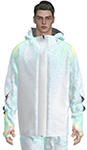
We conducted 3D virtual fitting using CLO 3D (Version 2024.2, CLO Virtual Fashion Inc., South Korea). First, the body measurements of each participant were applied to their respective avatars. The 1st pattern was used for the first round of 3D virtual fitting. To improve the fit of the 1st pattern, necessary pattern modifications were made based on visual evaluation. For example, based on the stress and strain maps, excessive ease that causes unnecessary wrinkles was adjusted by reducing the ease allowance, while tight areas with significant fabric deformation were modified by adding extra ease. The 2nd pattern was developed with these modifications, and this modified pattern was also virtually fitted to the avatars using the same procedure.
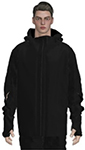
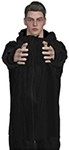
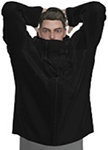
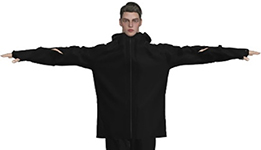
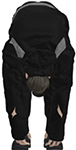
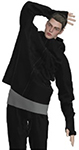
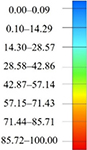
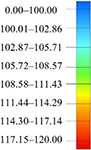
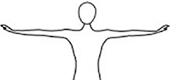
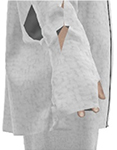
Subsequently, identical static postures used in the movement evaluation were applied to the avatars to analyze the differences in the 3D virtual maps between the 1st and 2nd patterns. In evaluating the wearability of upper garments, the arms and shoulders are key areas, and the waist joint is also crucial for enabling torso twisting and bending movements (Gemperle et al., 1998; Youn et al., 2024). The shoulder and arm regions were evaluated in six static postures involving arm movements out of the ten total postures, while the waist region was assessed in five static postures (Table 1). Therefore, in these postures, the key stress and strain values were measured at upper body joint areas, including the shoulders, arms, and waist. Stress and strain values were interpreted only in continuous garment regions that were in direct contact with the body. Areas corresponding to intentional open or cut-out design features (e.g., ventilation structures in the sleeves) were excluded from quantitative interpretation to avoid misrepresentation of deformation values. The stress map in CLO 3D visually represents the external forces applied to the garment, indicating the extent to which the fabric is stretched or distorted when worn on the avatar. In contrast, the strain map illustrates the degree of fabric deformation based on the strain metric defined within the CLO 3D virtual fitting environment (Teyeme et al., 2023). In this study, the strain values provided by CLO 3D are expressed as a relative length ratio (L/L0 × 100), where 100% indicates no deformation. This definition differs from the standard engineering strain (ΔL/L0), and therefore the strain results in this study should be interpreted as a software-specific, relative deformation indicator rather than an absolute physical strain value (Table 2). According to this definition, a strain value of 100% represents a non-deformation (well-fitted) state, whereas values below 100% indicate local compression of the fabric, which may manifest as wrinkling or buckling in the virtual fitting maps. Accordingly, compressed regions (< 100%) and undeformed regions (= 100%) were interpreted as distinct fit conditions and were visually differentiated in the strain legend.

Evaluation postures for 3D virtual fitting evaluation
Numerical ranges for 3D virtual fitting evaluation
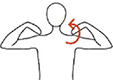
Both developed jackets were produced in the same size (Size = 100; Composition = Rayon/Nylon 86%, Elastane 14%). Participants, without prior information about the jackets, wore them in a randomized order and performed the movement assessment tasks. The movement assessment was conducted based on previous studies, and included a total of 30 postures classified into static and dynamic categories (Table 3) (American Society for Testing and Materials, 1988). Specifically, static postures focused on movements involving the arm, shoulder, and waist joints, including the neutral standing posture. These categories consisted of 10 different postures, and participants were instructed to hold each posture for three seconds. Dynamic postures included donning/doffing, bending/extension, and rotation movements of the arm, shoulder, and waist joints. These dynamic tasks also involved jumping jacks, sit-to-stand, upstairs/downstairs, and walking/running. These were structured into 20 different tasks, each repeated three times. All movements were performed by following pre-recorded movement demonstration videos, ensuring that all participants completed the tasks with the same movement protocol.
Movement assessment
After the movement assessment, participants conducted a subjective evaluation of the wearability of Jackets A and B. This evaluation was carried out sequentially through a survey and a follow-up interview, using identical questions for both jackets. The questionnaire consisted of six categories—size, fit, comfort, ease of use, practicality, and satisfaction—totaling 30 items (Chung et al., 2024; McQuerry, 2020) (Table 4), as requested by the company. Participants responded using a five-point Likert scale (1 = strongly disagree, 5 = strongly agree). The size category assessed participants' perceived overall size suitability of the jacket. The fit category examined how well the jacket conformed to the wearer’s body shape. The comfort category focused on subjective perceptions of wearing comfort, including weight, skin irritation, thermal comfort, and mobility. The ease of use category measured the ease of putting on and taking off the jacket, as well as the usability of its fasteners. The practicality category assessed participants’ satisfaction with its overall usefulness as outdoor clothing. Lastly, the satisfaction category measured the participants' overall satisfaction with their wearing experience. In addition, a follow-up interview was conducted to collect more detailed feedback on the wearability of the jackets. The interview data were qualitatively analyzed using a content-based categorization approach, in which participant responses were grouped according to recurring themes related to specific garment components (e.g., torso, sleeves, and hood) and wearability aspects. This process allowed for a structured comparison of qualitative feedback between the two jacket patterns.
Questionnaire items for evaluating the wearability of outdoor jackets
2.3. Data analysis
In this study, we used SPSS (IBM SPSS Statistics 27, USA) to analyze the differences between the virtual fitting data and survey data for the 1st and 2nd patterns (Jackets A and B). First, the Shapiro–Wilk test was conducted to verify the normality of the datasets. The results indicated that both the virtual fitting data and survey data did not follow a normal distribution (all p < 0.050). Thus, differences between the 1st and 2nd patterns in both datasets were analyzed using the Wilcoxon signed-rank test, a non-parametric method for comparing paired samples. We also calculated the effect size using r, which was obtained by dividing the Z-value by the square root of the sample size, to accurately consider the magnitude of the actual difference. The significance level for all statistical analyses in this study was set at p < 0.050.
3. Results
3.1. Initial pattern modification through 3D virtual fitting
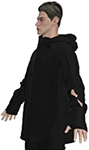
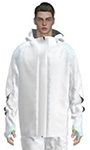
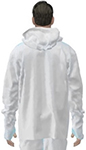
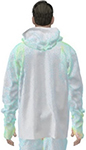
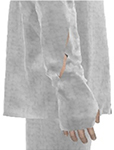
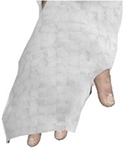
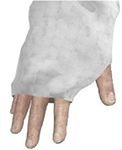
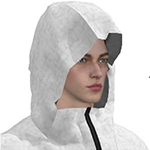
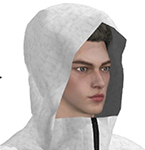
Based on the results of the 3D virtual fitting using the 1st pattern, potential fit issues that could arise in real-world wear were identified, prompting subsequent pattern modifications. The primary issues observed during the virtual fitting were categorized into three areas: torso, sleeves, and hood (Table 5). For the torso, the circumference was relatively smaller compared to its total length, and the hemline curled inward. To address this, additional ease was incorporated into the side seams of both the front and back patterns, increasing the chest and hem circumferences. Regarding the sleeves, the length was excessively long, covering the back of the hand beyond the intended fit. The hand warmer opening was too small, making it difficult to wear. Additionally, the sleeve cap height was higher than optimal for an outdoor jacket, potentially restricting arm movement. In response, the total sleeve length was shortened, the hand warmer opening was enlarged, and the sleeve cap height was lowered to enhance mobility during movement. For the hood, the fabric fell too far forward, obstructing the wearer's view. The collar area connected to the hood tended to fold inward around the neck. To resolve these issues, the center pattern of the hood was extended to ensure a secure fit over the head, and the front edge of the side patterns inclination was reduced to improve visibility. Moreover, the back width of the collar was increased, and the front collar angle was adjusted to minimize inward curling, ensuring improved structural stability.
Key problems and suggested pattern modifications after 3D virtual fitting
3.2. Comparison of virtual stress and strain
Table 6 shows the results of the Wilcoxon signed-rank test comparing the virtual fitting outcomes of the 1st and 2nd patterns. Across the entire body region, stress in the 2nd pattern was significantly reduced by 3.45 kPa compared to the 1st pattern (p < 0.001). A region-specific analysis showed that stress in the shoulders and arms was significantly reduced by 0.82 and 6.69 kPa, respectively, in the 2nd pattern compared to the 1st pattern (all p < 0.001). Notably, the arms exhibited the largest absolute reduction in stress (−6.69 kPa), despite relatively high variability in the 1st pattern (SD = 19.93). In contrast, although stress in the waist decreased by 2.67 kPa, this difference was not statistically significant according to the Wilcoxon signed-rank test (p = 0.809). Similar to the stress results, strain across the entire body region showed a statistically significant reduction of 2.67% in the 2nd pattern compared to the 1st pattern (p < 0.001). Regarding specific body regions, strain in the shoulders and arms was significantly reduced by 3.78% and 2.42%, respectively (all p < 0.001). In contrast, strain in the waist exhibited a decreasing trend of 1.65%; however, this difference was not statistically significant (p = 0.123).
Differences in 3D virtual stress and strain values between the 1st and 2nd patterns
3.3. User feedback
After the movement evaluation with Jackets A and B, the participants completed a subjective survey. In all six survey categories, Jacket B received more positive evaluations than Jacket A (Table 7). Specifically, Jacket B scored significantly higher than Jacket A (all p < 0.050), with scores exceeding 4.00 (“agree”) in all items. Notably, the size and fit items (p < 0.001) and the practicality and satisfaction items (p < 0.010) showed a substantial increase from a score range of 3.00 (“neutral”) to below 4.00 (“agree”) to above 4.00 (“agree”), indicating a significant improvement. That is, this indicates that the subjective evaluation of Jacket B, developed using the modified pattern based on virtual fitting, had more positive wearability. These results support the findings of the stress and strain maps, which showed significant differences during the virtual fitting evaluation.
Differences in survey scores between Jackets A and B
User feedback results from follow-up interviews
In addition, the follow-up interview results revealed that while Jacket B generally exhibited better wearability compared to Jacket A, user feedback provided additional insights beyond those identified in the virtual fitting analysis (Table 7). Participants responded that Jacket B offered a more comfortable fit with adequate ease, whereas Jacket A felt tight and tended to ride up during movement. Regarding the sleeve design, Jacket B allowed for greater arm mobility with a more spacious armhole, whereas Jacket A caused slight restriction. Additionally, Jacket A’s sleeves were too long without hand warmers, and its hand warmer opening was uncomfortably small, making it difficult to use. As for the hood, participants reported that Jacket A’s hood frequently fell forward, especially when running, whereas Jacket B’s hood remained more stable. These results support the identified issues from the virtual fitting evaluation as well as the solutions implemented. Furthermore, the interview results revealed that the fabric around the front zipper frequently got caught in the zipper. Additionally, deep pockets larger than the hand size were found to be inconvenient to use, and a usability issue was identified where the fabric around the pockets was pulled inward. These findings highlight the importance of incorporating real-user evaluations alongside virtual fitting methods to identify functional and comfort-related aspects that may not be evident in digital simulations.
4. Discussion
This study conducted a wearability evaluation of an outdoor jacket by integrating 3D virtual fitting, motion evaluation, and user feedback. Our results demonstrated that pattern modifications derived from virtual fitting analysis improved the wearability of functional apparel, and that the effectiveness of these modifications was verified through subjective user feedback obtained from movement assessments, particularly in terms of physical comfort and mobility during dynamic activities.
The Wilcoxon signed-rank test showed that stress and strain levels were significantly reduced in the shoulders, arms, and overall measurements in the modified 2nd pattern compared to the 1st pattern, while changes in the waist region were not statistically significant. These findings suggest that targeted pattern modifications—such as increasing ease allowance and adjusting the sleeve cap height—were effective in reducing garment-induced stress and strain in key upper-body regions, which may contribute to improved perceived comfort. These results align with previous studies that utilized stress and strain maps in 3D virtual fitting to improve sleeve and waist flexibility in fleece jackets (Dabolina et al., 2018) or to evaluate compression leggings to enhance wearer satisfaction (Lee & Lim, 2023). However, these studies primarily relied on subjective visual analyses, such as color-coded fit assessments, or focused on evaluating fabric elasticity. In contrast, this study provides quantitative insights into improvement trends by statistically analyzing stress and strain values derived from virtual fitting simulations, demonstrating how specific fit modifications are associated with improved wearability. In particular, fit in functional clothing not only influences garment performance and functionality but also significantly affects wearer mobility. Although Boldt and Carvalho (2018) assessed user mobility by evaluating the presence of folds along the back center seam using virtual stress maps, their analysis was predominantly conducted in static postures, such as an upright standing position, similar to previous studies (Dabolina et al., 2018). However, the present study extended the analysis beyond static posture evaluations by conducting stress and strain map analyses under dynamic postures, providing empirical evidence of the effectiveness of pattern modifications.
We demonstrated that conducting 3D virtual fitting analyses incorporating various dynamic movements, followed by pattern modifications, is an effective approach for assessing the wearability of functional clothing. Prior studies have conducted virtual stress and strain map assessments considering dynamic movement to develop cycling wear or compression garments (Černiavskaja et al., 2025; Teyeme et al., 2023). However, these studies have limitations in that they were conducted using a single specific posture. Outdoor jackets go beyond aesthetic considerations, with dynamic wearability being one of the key evaluation factors to ensure unrestricted body movement (Gupta, 2011). Furthermore, previous studies utilizing 3D virtual stress and strain maps have primarily focused on evaluating the wearability of tight-fitting garments such as compression wear (Lee & Lim, 2023; Teyeme et al., 2023). However, our study results demonstrated that adjustments based on virtual fitting feedback can effectively enhance subjective comfort during movement and reduce perceived clothing restrictions, even in loose-fitting outdoor jackets. In this context, our study, which incorporated various dynamic movements in the virtual fitting evaluation, validated the importance of integrating movement-based assessments into the wearability evaluation of functional outdoor clothing.
In addition, this study demonstrated qualitative agreement in improvement trends between the results of the virtual fitting and physical wear evaluations, and proposed a methodological framework for achieving practical wearability improvements. While previous studies primarily focused on assessing wearability through virtual fitting, additional validation using physical prototypes was often lacking (Youn et al., 2024). Some studies highlighted the issue that stress and strain levels measured in virtual environments tend to be overestimated compared to actual physical data (Kim & Baytar, 2024; Youn et al., 2024). To overcome these limitations, this study conducted dynamic movement evaluations in real-world conditions, where wearers performed various movements while wearing the physical prototypes. The results indicated similar improvement trends between stress distribution patterns observed in virtual fitting and subjective wearability feedback obtained from actual movement assessments. In particular, this study demonstrated that the predicted stress and strain maps in virtual fitting showed consistent improvement trends with actual wearability assessments for specific regions. These findings suggest that pattern modifications based on virtual fitting systems can extend beyond mere simulations and contribute to tangible improvements in actual garment wearability (Nam & Kim, 2021; Won & Lee, 2021).
Furthermore, user feedback provided additional insights into the practical usability of these outdoor jackets. Key improvements identified through user feedback included a more comfortable torso fit, increased sleeve mobility, and enhanced hood stability, which were found to be consistent with the results of the stress and strain maps and the implemented pattern modifications. In addition, discomfort issues highlighted in Jacket A, such as narrow sleeve openings and restricted pocket accessibility, were resolved in Jacket B, leading to an overall improvement in user experience. These findings suggest that when developing functional clothing, it is essential not only to conduct objective data analyses but also to incorporate user experience evaluations. Certain detailed discomforts or areas for improvement, which may not be detectable through 3D virtual fitting alone, can be identified through subjective assessments after applying real-life movement tasks. Clothing comfort is a highly complex concept influenced not only by external environmental conditions but also by the wearer’s psychological and physiological states (Teyeme et al., 2021). Therefore, subjective feedback plays a crucial role in wearability assessments of functional clothing, complementing the limitations of virtual fitting analysis (Wang et al., 2014). By combining quantitative stress and strain analysis with qualitative user experiences, this approach ensures a more reliable and user-centered design process.
However, this study has several limitations. The virtual fitting system used in this study applied simplified mechanical properties of specific fabrics, which limited the precise representation of various textile characteristics. In addition, variations arising from sewing construction details and material handling during prototype production could not be entirely eliminated, which may have influenced localized wearability perceptions. While subjective feedback played a crucial role in the wearability assessment, individual variations remained significant, making it challenging to ensure measurement consistency. Additionally, 3D virtual fitting technology has inherent difficulties in accurately modeling changes in skin contact (Kim & Baytar, 2024), limiting its ability to fully replicate garment behavior under real wearing conditions. Moreover, the participants in this study were limited to males in their 20s wearing a single jacket size, which restricts the generalizability of the findings to other age groups and size ranges. The pattern modifications were derived from relative stress and strain distributions rather than fully quantified mechanical optimization parameters, and therefore should be interpreted as exploratory design adjustments rather than definitive optimization solutions.
Despite these limitations, this study demonstrated the effectiveness of a hybrid wearability evaluation framework for functional clothing design by combining objective virtual fitting analysis with user feedback obtained from real-world movement assessments. The results suggest that 3D virtual stress and strain maps can serve as useful tools in early pattern development by enabling the identification and correction of wearability issues at an early stage. This approach facilitates iterative pattern modifications and may be extended beyond outdoor apparel to other types of functional garments. Future research should aim to improve the accuracy of virtual fitting evaluations by incorporating more diverse body types and wearing conditions, as well as by quantitatively examining the relationships between subjective wearer experiences and virtual fitting data to further bridge the gap between simulated and real-world wearability.
5. Conclusion
In this study, we evaluated the wearability of outdoor jackets by integrating 3D virtual fitting analysis, dynamic movement assessment, and subjective user feedback. Pattern modifications derived from virtual stress and strain maps resulted in reduced virtual stress and strain levels in key upper-body regions, and these improvement trends were supported by movement-based wear trials and subjective evaluations. While previous studies on virtual fitting have primarily focused on static evaluations, this study incorporated dynamic movement analysis and real-user feedback, providing a more comprehensive wearability assessment. In conclusion, this study highlights the practical applicability of combining virtual fitting analysis with subjective movement-based evaluation as a complementary approach for improving functional garment design. This integrated framework may serve as a useful strategy for guiding pattern modifications aimed at enhancing perceived comfort and reducing movement-related clothing restrictions in outdoor apparel.
Acknowledgments
This work was supported by the K2 Korea Research Fund (Grant No. 2401001115).
References
- American Society for Testing and Materials. (1988). Standard practices for qualitatively evaluating the comfort, fit, function, and integrity of chemical-protective suit ensembles (ASTM F1154-88). West Conshohocken, PA: ASTM International.
-
Arezes, P. M., Neves, M. M., Teixeira, S. F., Leão, C. P., & Cunha, J. L. (2013). Testing thermal comfort of trekking boots: An objective and subjective evaluation. Applied Ergonomics, 44(4), 557-565.
[https://doi.org/10.1016/j.apergo.2012.11.007]

-
Boldt, R., & Carvalho, M. (2018). Virtual prototyping as an evaluation method for functional clothing. IOP Conference Series: Materials Science and Engineering, 460(1), 012040.
[https://doi.org/10.1088/1757-899X/460/1/012040]
- Centers for Disease Control and Prevention. (2025). Sports and fitness: Strategies to increase participation. Centers for Disease Control and Prevention. Retrieved March 11, 2025, from https://www.cdc.gov/active-people-healthy-nation/php/tools/sports-and-fitness.html
-
Černiavskaja, A., Ancutienė, K., & Valatkienė, L. (2025). Design and development of graduated compression garment with adhesive stripes using 3D virtual fitting technology. International Journal of Clothing Science and Technology, 37(2), 283-307.
[https://doi.org/10.1108/IJCST-10-2023-0156]
-
Chung, J., Yoon, J. E., Park, S., Won, H., Ha, S., & Koo, S. H. (2024). Design development and evaluation of arm movement-assistive suits for lifting and movement for industrial workers considering wearability. International Journal of Industrial Ergonomics, 103, 103616.
[https://doi.org/10.1016/j.ergon.2024.103616]
-
Dabolina, I., Silina, L., & Apse-Apsitis, P. (2018). Evaluation of clothing fit. In S. Vassiliadis & G. Priniotakis (Eds.), IOP Conference Series: Materials Science and Engineering (Vol. 459, p. 012077). Bristol, UK: IOP Publishing. from https://outdoorindustry.org/article/2024-outdoor-participation-trends-report
[https://doi.org/10.1088/1757-899X/459/1/012077]
-
Gemperle, F., Kasabach, C., Stivoric, J., Bauer, M., & Martin, R. (1998). Design for wearability. Digest of Papers. Second International Symposium on Wearable Computers (pp. 116-122). Washington, DC: IEEE.
[https://doi.org/10.1109/ISWC.1998.729537]
- Gupta, D. (2011). Functional clothing—Definition and classification. Indian Journal of Fibre & Textile Research, 36(4), 321-326.
-
Kim, Y., & Baytar, F. (2024). Accuracy and feasibility of 3D virtual dynamic fit technology. International Journal of Clothing Science and Technology, 36(3), 499–515.
[https://doi.org/10.1108/IJCST-12-2023-0182]
-
Koç, E. D., Kanlıgöl, A., Ateş, D., Elyak, S., & Zeynep, Ü. (2025). Innovative outdoor jacket design featuring honeycomb thermal layers with graphene/silver integration for enhanced thermal conductivity. Journal of Textile Science and Technology, 11(1), 8-19.
[https://doi.org/10.4236/jtst.2025.111002]
-
Lee, J. K., & Lim, H. S. (2023). Movement, wear comfort, and compression evaluation of nylon and polyurethane blend stretch knit material and 3D virtual fitting stress strain comparison. Fibers and Polymers, 24(7), 2541–2555.
[https://doi.org/10.1007/s12221-023-00246-0]
-
McQuerry, M. (2020). Effect of structural turnout suit fit on female versus male firefighter range of motion. Applied Ergonomics, 82, 102974.
[https://doi.org/10.1016/j.apergo.2019.102974]
-
Nam, Y.-R., & Kim, D.-E. (2021). A study on the comparison of 3D virtual clothing and real clothing by neckline type. Fashion & Textile Research Journal, 23(2), 247-260.
[https://doi.org/10.5805/SFTI.2021.23.2.247]
- Outdoor Industry Association. (2023). 2024 outdoor participation trends report. Outdoor Industry Association. Retrieved March 11, 2025.
-
Özkan, E. T., Kaplangiray, B., Şekir, U., & Şahin, Ş. (2023). Effect of different garments on thermophysiological and psychological comfort properties of athletes in a wear trial test. Scientific Reports, 13(1), 14883.
[https://doi.org/10.1038/s41598-023-42085-2]
-
Porterfield, A., & Lamar, T. A. M. (2017). Examining the effectiveness of virtual fitting with 3D garment simulation. International Journal of Fashion Design, Technology and Education, 10(3), 320-330.
[https://doi.org/10.1080/17543266.2016.1250290]
- Rahman, O. (2011). Understanding consumers’ perceptions and buying behaviours: Implications for denim jeans design. Journal of Textile and Apparel, Technology and Management, 7(1).
-
Teyeme, Y., Malengier, B., Tesfaye, T., Ciesielska-Wrobel, I., Haji Musa, A. B., & Van Langenhove, L. (2021). A review of contemporary techniques for measuring ergonomic wear comfort of protective and sport clothing. AUTEX Research Journal, 21(1), 32-44.
[https://doi.org/10.2478/aut-2019-0076]
-
Teyeme, Y., Malengier, B., Tesfaye, T., Vasile, S., & Van Langenhove, L. (2023). Fit and pressure comfort evaluation on a virtual prototype of a tight-fit cycling shirt. AUTEX Research Journal, 23(2), 153–163.
[https://doi.org/10.2478/aut-2021-0057]
-
Wang, Y., Wu, D., Zhao, M., & Li, J. (2014). Evaluation on an ergonomic design of functional clothing for wheelchair users. Applied Ergonomics, 45(3), 550-555.
[https://doi.org/10.1016/j.apergo.2013.07.010]
-
Won, Y., & Lee, J. R. (2021). A study on the comparison of fit similarity between the actual and virtual clothing according to the pants silhouette. Fashion & Textile Research Journal, 23(6), 826-835.
[https://doi.org/10.5805/SFTI.2021.23.6.826]
-
Wu, D., Bian, F., & Wang, Y. (2021). A method for the evaluation of functional clothing for older individuals with restricted mobility. Fashion Practice, 13(1), 113-127.
[https://doi.org/10.1080/17569370.2021.1872902]
-
Yang, Y., & Baytar, F. (2024). Fit models’ roles in identifying fit issues in the apparel technical design process and implications for improving 3D virtual fitting. Fashion and Textiles, 11, 32.
[https://doi.org/10.1186/s40691-024-00398-4]
-
Youn, S., Zhan, S., & Mathur, K. (2024). Advanced virtual fit technology for precision pressure application in medical compression waistbands. Applied Sciences, 14(22), 10697.
[https://doi.org/10.3390/app142210697]